If you’ve ever tried mixing concrete by hand for anything bigger than a small fence post, you know how exhausting and messy that whole process gets. There’s a reason why construction professionals almost never mix their own concrete on site anymore. Its just not practical when you need any real volume of the stuff. This is where ready mix concrete suppliers come into picture and honestly, they make life so much easier for anyone doing serious construction work whether its a driveway, foundation, or commercial building project.
I remember helping my uncle pour a garage floor maybe fifteen years ago. We bought bags of concrete mix from hardware store and spent entire morning mixing batches in a wheelbarrow. By the time we finished we were completely wrecked and the floor had visible lines where different batches met because we couldn’t pour fast enough to keep wet edge going. If we had just ordered ready mix truck it would have taken fraction of the time and looked way better. Lesson learned the hard way as usual.
Understanding What Ready Mix Actually Is
So ready mix concrete is basically concrete that’s mixed at a plant according to specific recipe and then delivered to your site in those big rotating drum trucks. The mixing happens at the facility where they have precise construction equipment to measure out cement, aggregates, water and any additives. By the time it reaches you its ready to pour right out of the truck.
The advantage here is consistency. When you mix concrete yourself every batch is slightly different depending on how you measure things and how long you mix. Professional batching plants have computerized systems that get the proportions exactly right every single time. This matters because concrete strength depends heavily on having correct ratios. Too much water and it gets weak. Not enough cement and it wont hold up. The plants eliminate human error from the mixing part.
Different projects need different concrete mixes and good suppliers will have various options available. There’s standard mix for general purpose stuff like sidewalks and patios. There’s a high-strength mix for structural applications where the concrete needs to bear significant loads. There are mixes with additives that make concrete set faster or slower depending on conditions. Some mixes have air entrainment which helps concrete survive freeze thaw cycles in cold climates. Point is you can get exactly what your specific project requires.
Getting Your Site Ready Before Truck Arrives
One thing people mess up all the time is not being prepared when the concrete truck shows up. That truck is essentially on a timer once the concrete is mixed. You typically have about ninety minutes to two hours before the concrete starts setting up too much to work with properly. If the truck arrives and youre still finishing your forms or arguing about where the pour should start you are wasting expensive material and valuable time.
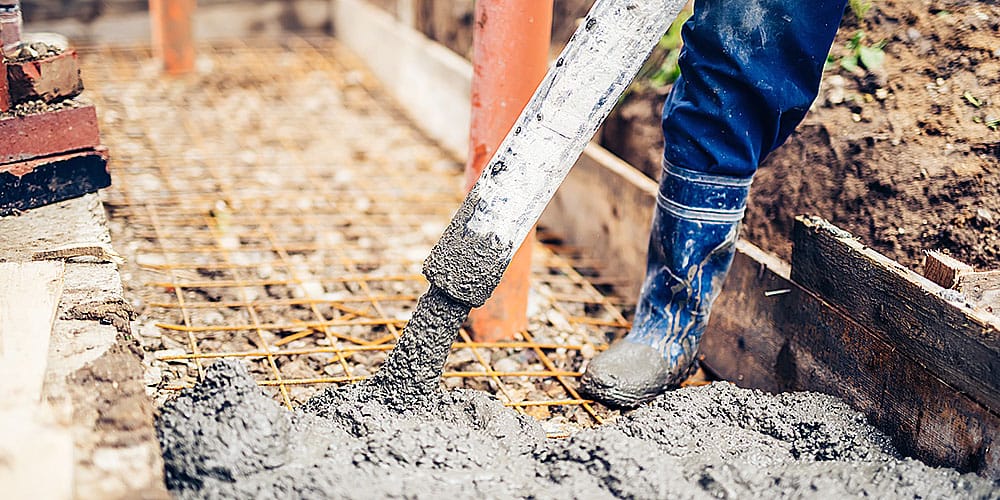
Before ordering you need to have your forms built, leveled and properly braced. Any rebar or wire mesh needs to be in place. The ground should be compacted and you might need gravel base depending on application. You need enough people on site to actually move and finish the concrete quickly. You need the tools ready including screeds, floats, trowels and edgers. Basically everything should be set so that when truck backs up to your site you can immediately start pouring.
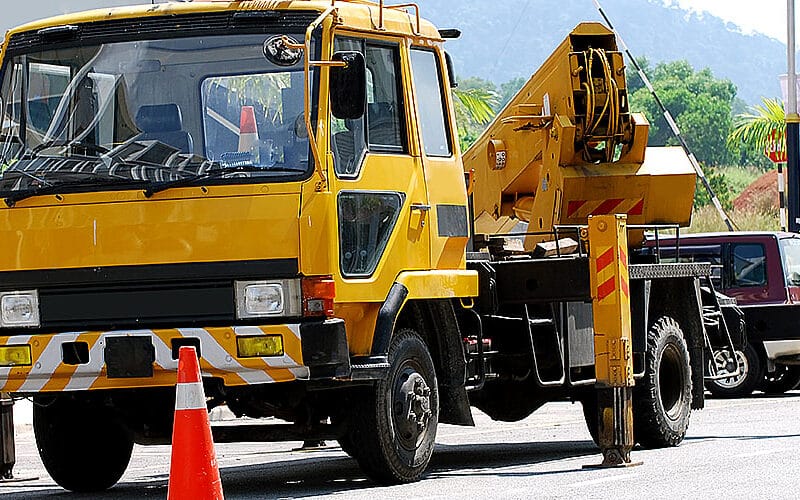
Also think about access. Those concrete trucks are big and heavy. They need solid ground to drive on and enough space to maneuver. If your site has narrow driveway or soft ground the truck might not be able to get close enough to pour directly. In that case you need wheelbarrows and more labor to move concrete from where truck can reach to where it needs to go. Or you might need pump truck which adds cost but solves access problems for difficult sites.
How to Choose Right Supplier
Finding reliable concrete suppliers Potomac is more important than most people realize until something goes wrong. Bad supplier can ruin your entire project and there’s not much you can do about it once the concrete is poured. So doing homework upfront is worth the effort.
When you talk to potential suppliers ask about their batching process and quality control. Do they test their concrete regularly? Can they provide mix design specifications? What happens if something goes wrong with the delivery? Good suppliers are happy to answer these questions because they know their stuff. Sketchy suppliers get vague or defensive when you ask for details.
Price matters of course but cheapest option isn’t always best value. Concrete that costs ten percent less but has inconsistent quality or unreliable delivery schedule can end up costing you way more in problems than you saved on the material. Get quotes from multiple suppliers but also consider their reputation and reliability as part of your decision.
Timing and Weather Considerations
Concrete is surprisingly picky about weather conditions. Too hot and it sets up too fast, you cant finish it properly before it hardens. Too cold and the water in the mix can freeze before concrete cures which destroys the strength. Rain during or right after pour can wash cement off the surface and leave you with weak crumbly top layer. Wind can dry out the surface too quickly causing cracks.
Ideal conditions for pouring concrete are mild temperatures, overcast skies and no rain in forecast. Obviously you cant always get ideal conditions so you work around what you have. Hot weather pours need to happen early morning when its cooler and you might want a retarder additive to slow setting time. Cold weather pours need insulated blankets or heated enclosures to keep concrete warm while it cures. If rain is coming you need plastic sheeting ready to cover fresh concrete quickly.
Common Mistakes People Make
Probably the biggest mistake is ordering wrong amount of concrete. Order too little and you run out partway through pour which creates cold joint where old and new concrete meet. Cold joints are weak points that can crack and leak. Order too much and you have extra concrete you have to dispose of somehow plus you paid for material you didnt need. Calculating concrete volume isnt complicated but you have to measure carefully and add about ten percent extra for waste and uneven subgrade.
Final Thoughts
Working with ready mix concrete is one of those things that seems simple until you actually try to do it. There are lot of variables to manage and mistakes are permanent since you cant exactly redo a concrete pour without significant expense. But with proper planning and good supplier relationship the process goes smoohly more often than not.
When you schedule your ready mix concrete delivery Bethesda make sure everyone involved knows exactly what time truck is coming and what their job will be once it arrives. Good preparation makes everything else easier.